Saphenion®: Kleben von Stammkrampfadern am Unterschenkel – Sealing lower leg truncal veins

Saphenion®: Kleben von Stammkrampfadern am Unterschenkel – VenaSeal® ist eine sehr effektive Therapie zum Verschluss der Stammkrampfadern am Unterschenkel. Dazu zählen wir die V. saphena parva, den Unterschenkelabschnitt der V.saphena magna sowie die am Unterschenkel verlaufenden Ausläufer der V. saphenion akzessoria ant. et post..Bisher wurden 4811 Stammvenen von uns mit dem Venenkleber VenaSeal therapiert.

Venaseal is a very good and effective therapy for sealing lower leg veins, f.e. the SSV and the lower leg part of anterior accessory truncal veins. These truncal veins have a compared functional and clinical importance like the GSV. To date, we have treated 4811 truncal veins with VenaSeal vein glue.

Saphenion®: Aktuelle Analyse zur Krampfadertherapie

Seit Jahrzehnten gibt es verschiedene diagnostische Tests und Behandlungsmöglichkeiten für Patienten mit Krampfadern an den Beinen. Ziel dieser systematischen Übersichtsarbeit war es, die neuesten Erkenntnisse zusammenzufassen, die von amerikanischen Kollegen zur Aktualisierungen der klinischen Leitlinien zur Behandlung von Krampfadern für die Gesellschaft für Gefäßchirurgie (SVS), das American Venous Forum (AVF) und die American Vein and Lymphatic Society veröffentlicht worden sind.
Various diagnostic tests and treatment options for patients with varicose veins in the legs have been available for decades. The aim of this systematic review was to summarize the latest findings published by American colleagues to update the clinical guidelines for the treatment of varicose veins for the Society for Vascular Surgery (SVS), the American Venous Forum (AVF) and the American Vein and Lymphatic Society.

Saphenion®: Protokoll Krampfadertherapie

Krampfadern gehören zum klinischen Befund der chronisch venösen Insuffizienz (CVI) der Beinvenen. Die chronisch venöse Insuffizienz beschreibt anormale funktionelle und optische Veränderungen des peripheren Beinvenensystems. Diese erfordern in jedem Fall eine weitergehende Diagnostik mittels Funktionsmessung und Duplexultraschall und daraus folgend eine stadiengemäße effektive Therapie.

Varicose veins are part of the clinical findings of chronic venous insufficiency (CVI) of the leg veins. Chronic venous insufficiency describes abnormal functional and visual changes in the peripheral leg vein system. These always require further diagnostics by means of functional measurement and duplex ultrasound and, as a result, effective treatment appropriate to the stage.

Saphenion®: Deutsche VenaSeal® – MulticenterStudie

Wir wollten eine erste deutsche MulticenterStudie zur Krampfadertherapie mit dem Venenkleber „VenaSeal®“ erstellen. Mit der Erfahrung von über 8 Jahren Anwendung, mit 2988 therapierten Patienten und 5333 Stammkrampfadern als Grundlage unserer Erfahrungen.

We wanted to create a first German multicenter study on varicose vein therapy with the vein glue „VenaSeal®“. With the experience of over 8 years of use, with 2988 treated patients and 5333 truncal varicose veins as the basis of our experience.

Saphenion®: Häufige Fragen von Patienten

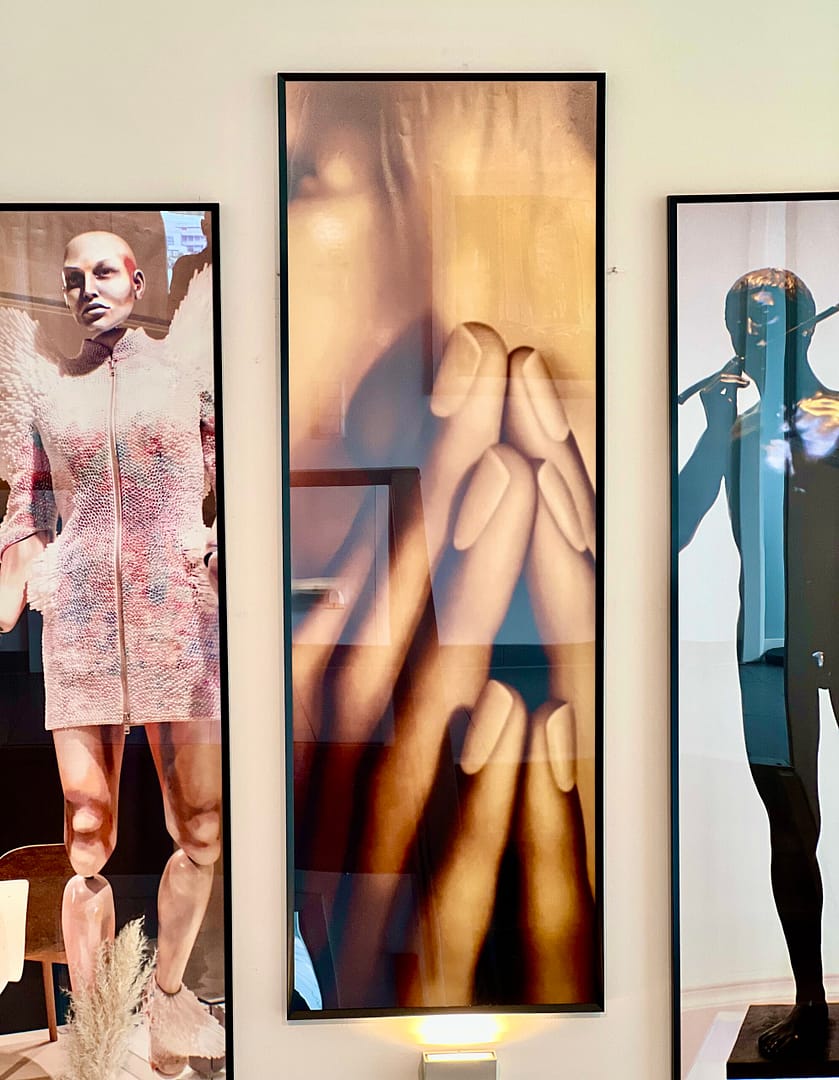
Saphenion®: Häufige Fragen von Patienten – durch einen großen Zufall habe ich meinen alten Kollegen aus Zeiten der Ausbildung an der Charitè Berlin, Prof. Thomas Bürger, in Rostock wieder getroffen. Er hatte bei einem Spaziergang am Ostufer der Warnow das Gemälde seines Vaters an unserem Praxisgebäude gesehen – und inzwischen arbeitet er bei uns schon fast 2 Jahre.

Saphenion®: Frequently asked questions from patients – by a great coincidence, I met my old colleague from my training days at the Charitè Berlin, Prof. Thomas Bürger, again in Rostock. He had seen his father’s painting on our practice building during a walk along the eastern bank of the Warnow – and he has now been working with us for almost 2 years.

Saphenion®: Vein glue versus radiofrequency therapy – 7 years comparison

Vein glue versus radiofrequency therapy – 7 years: For more than 20 years now, truncal varicose veins has increasingly been treated endovenously with catheter support. It all began with the rather cumbersome VNUS® Closure process and the easier-to-use linear laser. This was followed in 2006/2007 by the bipolar RFITT® catheter and the VNUS® ClosureFast system as well as the radial laser. However, it should be said that following historical medical truth, endovenous sclerotherapy has been developed and used since 1911. And already in the late 20s, many surgeons in Germany used the gluing technique with sugar solutions. Also, Ferdinand Sauerbruch of the Charitè hospital in Berlin was a friend of this method.