Saphenion®: Ein halber Teelöffel VenaSeal®

Saphenion® Ein halber Teelöffel VenaSeal® – Das Venenkleben mit VenaSeal® Venenkleber ist eine Technik, bei der grosse (!) Mengen Kunststoff in die Vene implantiert werden! So lesbar in einigen Statements und Veröffentlichungen von ärztlichen Kollegen. Eine andere nachlesbare Behauptung ist, dass der Kleber über 10 Jahre im Körper verbleibt.

Saphenion® Half a teaspoon of VenaSeal® – Vein sealing with VenaSeal® is a technique in which large (!) quantities of plastic are implanted into the vein! This can be read in some statements and publications by medical colleagues. Another claim that can be read is that the adhesive remains in the body for over 10 years.

Saphenion®: Venenkleber bei Krampfadern – wie funktioniert es?

Saphenion®: Venenkleber bei Krampfadern – wie geht es?
Wir haben dazu einen kleinen Film gedreht – mit ein wenig Spaß und Augenzwinkern aber ganz ernsthaftem Hintergrund.

Saphenion®: vein glue: how it`s running … Biscuits and honey as main actors
We have created a short clip – with a little bit of fun and with smile

Saphenion®: Krampfadern und AntibabyPille

In der Literatur finden wir eine Vielzahl von verschiedenen Angaben zum Risiko der Krampfaderentstehung bei einer bekannten Familienanamnese. Eine positive Familienanamnese ist sowohl bei Männern (80%), als auch bei Frauen (95%) mit Krampfadern häufiger als bei beiden Geschlechtern ohne die positive Familienanamnese. Die Häufigkeit der Krampfaderentstehung ist bei Männern jedoch deutlich weniger mit einer genetisch bedingten Familienanamnese verbunden, als bei Frauen. Es ist inzwischen sicher, dass es eine erbliche Komponente von Krampfadern gibt, diese ist jedoch nicht allein für die Krampfaderentstehung verantwortlich. Die bereits bekannten Risikofaktoren, langes Stehen, langes Sitzen, zu hohes Gewicht usw., spielen ebenso eine wesentliche Rolle, wie auch die Hormontherapie (z. B. AntibabyPille, Brustkrebstherapie).

In the literature, we find a large number of different information on the risk of developing varicose veins with a known family history. Positive family history is more common in both men (80%) and women (95%) with varicose veins than in both sexes without a positive family history. The frequency of the development of varicose veins is, however, significantly less associated with a genetically determined family history in men than in women. It is now certain that there is a hereditary component of varicose veins, but this is not solely responsible for the development of varicose veins. The already known risk factors, standing for long periods, sitting for a long time, excessive weight, etc., also play an essential role, as does hormone therapy (e.g. birth control pills, breast cancer therapy).

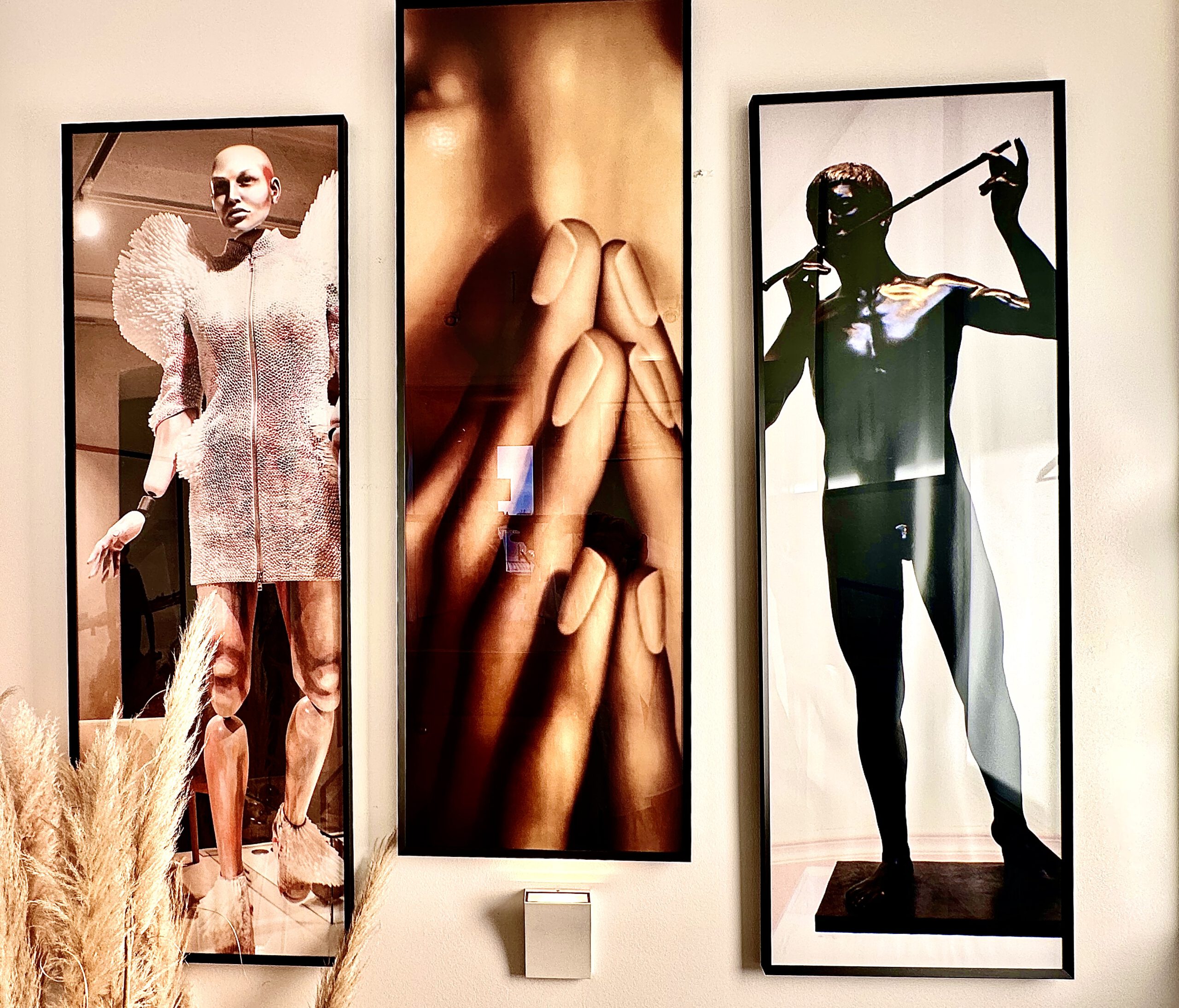
Saphenion®: Gefäßmedizin in der Kunst – Vascular medicine in the mirror of art

Gefäßmedizin im Spiegel der Kunst – Auch die Gefäßmedizin spiegelte sich in der Kunst wider. Man wird zwar auf Internetsuchmaschinen nicht so recht fündig. Jedoch gibt es einige recht dicke Bücher, die zum Thema Medizin im Spiegel der Kunst umfassend ausführen. Und wenn man sich die Mühe macht, die Gemälde, Zeichnungen, Skulpturen, Bronzestatuen usw. genauer zu analysieren, fallen auch Themen zur Gefäßmedizin ins Auge.

Vascular medicine reflected in art – Vascular medicine was also reflected in art. You won’t find anything on Internet search engines. However, there are some quite thick books that explain medicine extensively in the mirror of art. If you take the trouble to analyze the paintings, drawings, sculptures, bronze statues, etc., you will also notice topics related to vascular medicine.

Saphenion®: Gefäßspezialisten weltweit – Venenkatheter 1. Wahl…

Über viele Jahrzehnte war die Ligatur der Leisteneinmündung und das Herausziehen der Vena saphena magna und, wenn notwendig, deren Seitenäste die herkömmliche Therapie. Fortschritte der minimalinvasiven Kathetertherapie führten zur Entwicklung der kathetergestützten thermischen Verfahren mittels Radiofrequenz oder Laser. Diese Verfahren haben seit ca. 25 Jahren im klinischen Alltag zunehmend an Akzeptanz gewonnen.
For many decades, ligation of the inguinal junction and extraction of the great saphenous vein and, if necessary, its side branches was the conventional therapy. Advances in minimally invasive catheter therapy led to the development of catheter-based thermal procedures using radiofrequency or laser. These procedures have gained increasing acceptance in clinical practice for about 25 years.


Saphenion®: Turning Time at Charité – Elite exchange

Saphenion®: Turning Time at Charitè – The Berlin Charité, Germany’s well-known hospital, was at the same time a center of research, teaching, and further education. It was part of the university, which was given the name Humboldt in GDR times. After the end of the GDR a considerable exchange of management personnel took place in the Charité, the media supplied the accompanying music with Stasi hysteria and scandal stories. The Charité, also in GDR times nationally and internationally a well-known university hospital, now seemed to have been a branch of the MfS and the Politbureau in public perception.