Saphenion®: Krampfadern und Thrombose

Saphenion®: Krampfadern und Thrombose – Beide Erkrankungen gehören in eine enge Kausalkette. Das Risiko von Krampfaderpatienten, eine oberflächliche oder tiefe Venenthrombose zu erleiden steigt expotentiell um den Faktor 2-4. Bei Frauen mit antikonzeptiver Hormontherapie steigt das Risiko um den Faktor 8.
Saphenion®: Varicose veins and thrombosis – both diseases are closely linked. The risk of varicose vein patients suffering a superficial or deep vein thrombosis increases exponentially by a factor of 2-4. In women on anticonceptive hormone therapy, the risk increases by a factor of 8.


Saphenion®: Gefäßchirurgie Rostock – Historisches

Saphenion®: Gefäßchirurgie Rostock – Historisches – Die neuzeitliche Krampfadertherapie begann mit Schede in Berlin, er entfernte ab 1866 Seitenastkrampfadern über viele Hautschnitte. In 1884 berichtete Madelung von Ausschäloperationen „zirkoider Varizen“, auch der Stammkrampfadern (Vena saphena magna).

Friedrich Trendelenburg, zuvor bis 1882 in Rostock Chirurg und Ordinarius an der Uniklinik, beschrieb 1888-1891 den – heute noch gültigen und für die Therapie maßgeblichen – pathologischen Rezirkulationskreislauf bei Krampfadern.

Saphenion®: Gefäßchirurgie Rostock – History – Modern varicose vein therapy began with Schede in Berlin, who removed side branch varicose veins through many skin incisions from 1866 onwards. In 1884 Madelung reported on peeling out operations of „circoid varices“ and the trunk varices (Vena saphena magna).

Friedrich Trendelenburg, previously a surgeon in Rostock from 1875 until 1882 and a full professor at the university hospital, described in 1888-1891 the pathological recirculation cycle in varicose veins, which is still valid today and is decisive for therapy.

Saphenion®: Das Schicksal der Vena saphena

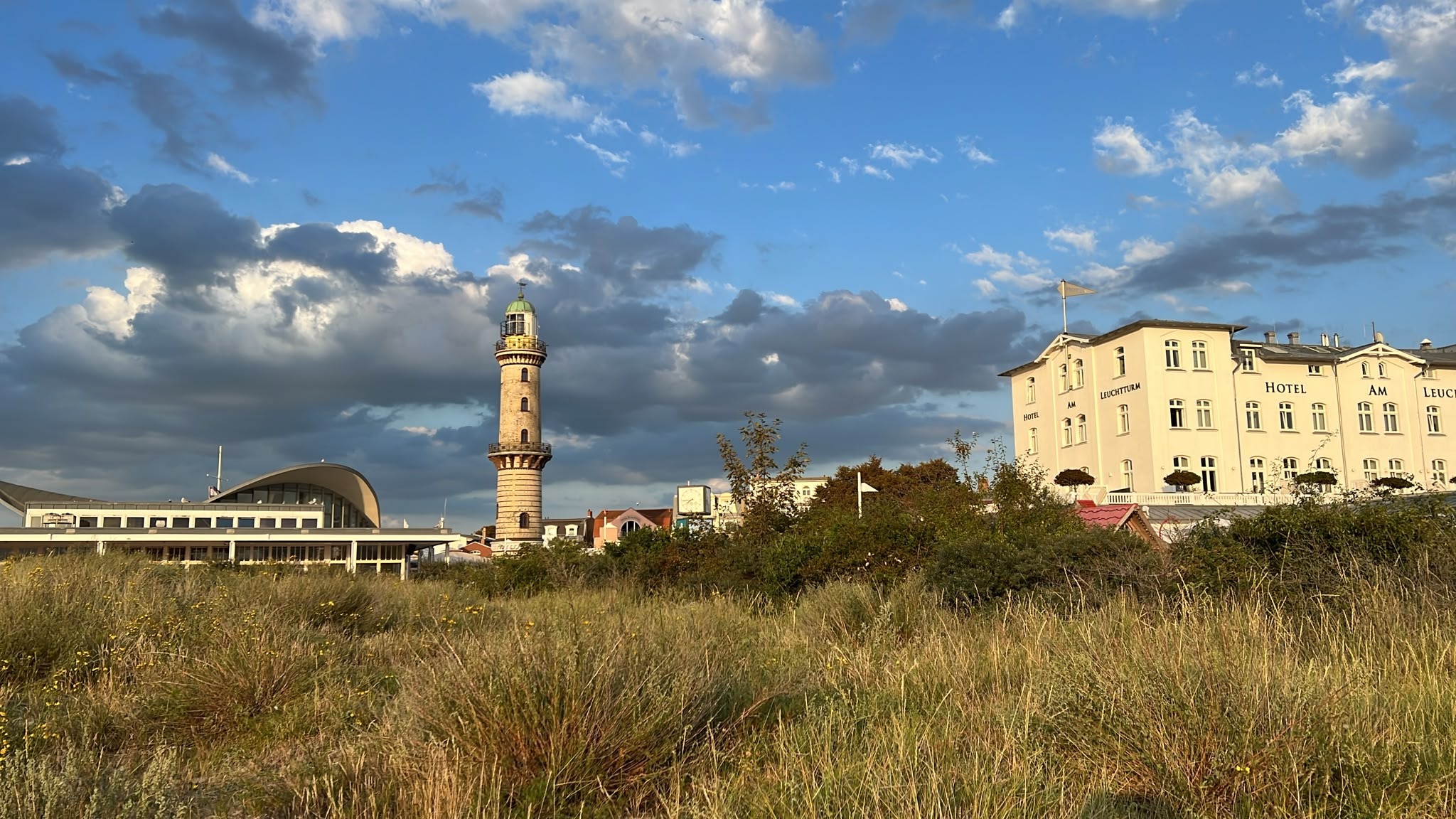
Das Schicksal der Vena saphena – ist eine historische Betrachtung zur radikalen Therapie von Varizen. In einem Festvortrag auf dem Northern European Endovenous Forum in Warnemünde haben sich PD Dr. med Lahl und Dr. Ulf Th. Zierau mit diesem Thema etwa intensiver auseinandergesetzt.

The fate of the saphenous vein – is a historical view on the radical therapy of varices, in a keynote lecture at the Northern European Endovenous Forum in Warnemünde, PD Dr. Med Lahl, and Dr. Med. Ulf Th. Zierau has dealt with this topic more intensively.  

Saphenion®: Schwere Komplikationen nach Venenkleber?

Saphenion®: Schwere Komplikationen nach Venenkleber? Veröffentlichung Thema „899 schwerwiegende Ereignisse bei Venenkleber – Therapie.

Saphenion® Rostock: Potential complications following the use of venous glue?
A recent publication has highlighted the occurrence of 899 severe adverse events associated with the use of vein glue therapy.

Saphenion®: Beinvenenthrombosen – Ambulante Thrombosetherapie

Seit 1856 ist die Entstehung von tiefen Venenthrombosen in ihrer Ursache geklärt. Rudolf Virchow, Chirurg und Pathologe in Berlin und Würzburg (geb. 1821 Pommern, gest. 1902 Berlin) beschrieb in seiner bekannten Virchow – Trias die Faktoren einer möglichen Thrombose sehr genau. Diese sind heute noch weitgehend gültig.Aus heutiger Sicht sind besonders die Faktoren lange Flug – / Autoreise, Joggen / Nordic Walking / Bergsteigen und lange Fußmärsche, lokale oder allgemeine Wärmeexposition, Ruhigstellung eines Beines nach Unfällen und auch ungewohnte körperliche Belastungen für die ambulante Praxis von erheblicher Relevanz.
Ganz aktuell findet sich auch das COVID 19 – Virus in der Liste der Thrombosemacher. Durch Einlagerung in den Venenwänden der Beinvenen entstehen Entzündungen der Wand mit nachfolgender lokaler Thrombose.
The causes of deep vein thrombosis have been understood since 1856. Rudolf Virchow, a surgeon and pathologist in Berlin and Würzburg (born in 1821 in Pomerania, died in 1902 in Berlin), described the factors contributing to possible thrombosis in great detail in his well-known Virchow’s triad. These are still largely valid today. From today’s perspective, factors such as long flights/car journeys, jogging/Nordic walking/mountain climbing and long walks, local or general exposure to heat, immobilization of a leg after accidents, and unusual physical exertion are particularly relevant for outpatient practice.
The COVID-19 virus is also currently on the list of thrombosis triggers. Deposition in the walls of the leg veins causes inflammation of the wall, followed by local thrombosis.