Saphenion®: Ärztemangel in Deutschland

Saphenion®: Ärztemangel in Deutschland – Bei den niedergelassenen Ärzten in Deutschland ist seit 2018 ein Rückgang der Ärzte in eigener Praxis um 8% zu erkennen. Zunehmend ist dagegen die Zahl von Ärzten / Ärztinnen, die in Praxen oder medizinischen Versorgungszentren angestellt arbeiten, häufig halbtags, häufig mit einer Dreitage – / Viertagewoche. Hier zeigen die Zahlen der Bundesärztekammer inzwischen einen Anteil von 30%.
Ein weiteres Problem ist die Abwanderung von Ärzten aus Deutschland in das Ausland. Allein im Jahre 2023 verließen 2200 Ärzte das Land und suchten sich im Ausland den Lebensmittelpunkt.
Saphenion®: Doctor Shortage in Germany – Since 2018, there has been an 8% decline in the number of doctors with their own private practices in Germany. In contrast, the number of doctors employed in medical practices or healthcare centers is on the rise; many work part-time, often on a three- or four-day workweek. Figures from the German Medical Association now show that this group accounts for 30% of the total.
Another problem is the exodus of doctors from Germany to other countries. In 2023 alone, 2,200 doctors left the country to settle abroad.

Saphenion® Gefäßzentrum Rostock – Unsere Zukunft, unser Ziel

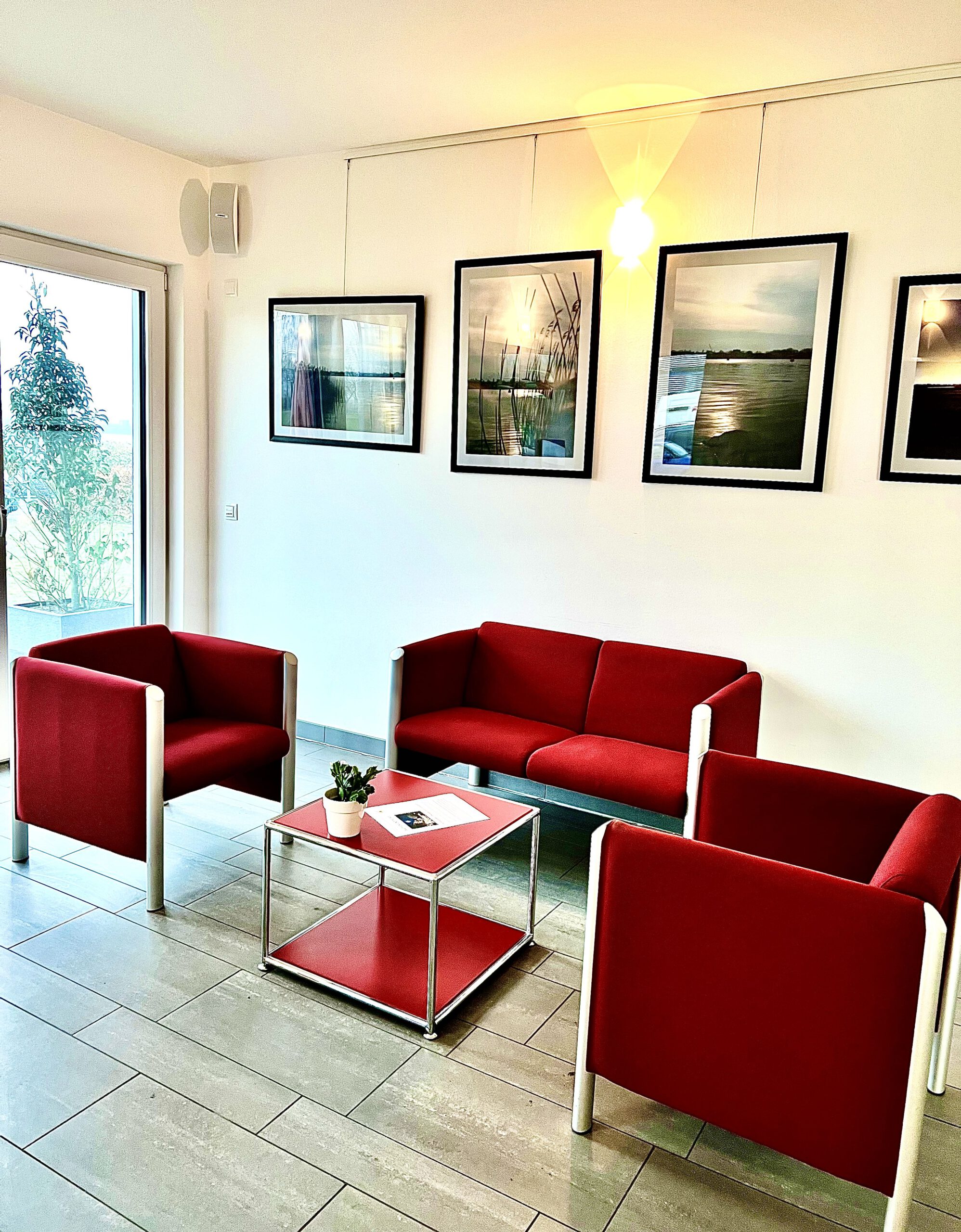
Unser Ziel ist es, zu Ihrer Gesundheit beizutragen. Unser Weg ist es, diese Gesundheit und die Schritte zur Genesung möglichst sanft und damit schmerzfrei zu gestalten. Deshalb haben wir unsere Praxisräume in Rostock lebensfroh und einladend gestaltet. Denn zum Heilen gehört Wohlbefinden und Lebensfreude.

Our goal is to contribute to your health. Our approach is to make this health and the steps towards recovery as gentle and painless as possible. That is why we have designed our practice rooms in Rostock to be cheerful and inviting. Because healing requires well-being and joie de vivre.

Saphenion® Rostock: Ambulantes Operieren Auslaufmodell?

Der Anteil geplanter Ambulanter Operationen am Gesamtaufkommen liegt in Deutschland zwischen 10-30%, dies ist im Ländervergleich extrem gering. Nach Aussagen der Studie fehlt hierzulande das öffentliche Bewusstsein und Interesse. Ebenso wird das Ambulante Operieren weder wesentlich gefördert oder separat finanziert.

The proportion of planned outpatient operations in Germany is between 10-30% of the total volume, which is extremely low compared to other countries. According to the study, there is a lack of public awareness and interest in Germany. Similarly, outpatient surgery is neither significantly promoted nor financed separately.

Saphenion®: Grand mit Vieren – Venenkleben an 4 Stammvenen: „Wunderbar, daß die Beine verheilt sind!“

Venenkleben an mehreren defekten Stammvenen simultan ist in vielen Fällen möglich. In Abhängigkeit von der Länge der Beine und der zu behandelnden Venen reicht eine 5 ml-Ampulle des Venenklebers VenaSeal® in einigen Fällen aus,  2-4 der betroffenen kranken Stammvenen in einer Sitzung, ohne Narkose und mit sofortiger Mobilisierung zu therapieren. Mit dem zusätzlichen Einsatz eines 2. Kleber-Katheters sind in jedem Fall 4-6 Stammkrampfadern dauerhaft effektiv zu verschliessen.

Sealing four veins simultaneously is possible in a lot of cases. For the independence of the length of the legs and the insufficient truncal veins, we need only one 5 ml – ampoule of glue VenaSeal for sealing 2-4 insufficient veins in one session, without narcotics, and with immediate mobilization. With the additional use of a second glue catheter, 4-6 truncal varicose veins can be effectively and permanently closed in any case.

Saphenion® Rostock: Hippokrates versus Internet?

Die Passivität der Darstellungsplattform „Homepage“ ist aber inzwischen in hohem Maße kritisch zu bewerten, denn die Aktivitäten von Plattformen, Agenturen, von google und facebook u.a. zielen darauf ab, über eine beim Arzt eingeforderte Gage die Homepage auf der Plattform aktiver und sichtbarer zu machen. Daraus resultieren dann aber die abstrusesten Verrenkungen des Internet – Gesundheitsmarktes (in kapitalerzeugendem und ethischen Sinne).
Für uns ist die Zwiespältigkeit des Themas „Hippokrates versus Internet?“ seit 2017, seit einem heftigen familiären Kontakt mit dem hochspezialisierten Gesundheitsmanagement einer Uni – Klinik present. Wir wurden täglich Zeugen eines optimierten Tätigkeitsablaufs in der Klinik. Es ging in letzter Konsequenz um die Ausarbeitung eines möglichst profitablen Diagnose – und Therapieplans.

The Hippocratic Oath—named after the Greek physician Hippocrates of Kos (c. 460 to 370 BC)—is a physician’s oath originally written in Greek and is considered the first fundamental formulation of medical ethics.

The physician’s core problem-solving skills are currently being transformed into technical execution skills, the actual physician into a profitable service provider, the complexity of each patient into a standardized symptom carrier, and medical practice into a technical manufacturing and consumption process.

However, the passivity of the “homepage” presentation platform must now be viewed critically, as the activities of platforms, agencies, Google, Facebook, and others are aimed at making the homepage on the platform more active and visible by charging doctors a fee. This, however, results in the most abstruse contortions of the Internet health market (in a capital-generating and ethical sense).
For us, the ambivalence of the topic “Hippocrates versus the internet?” has been present since 2017, since a intense family encounter with the highly specialized health management of a university hospital. Every day, we witnessed an optimized workflow in the hospital. Ultimately, it was about developing the most profitable diagnosis and therapy plan possible.

Saphenion®: Pseudowissenschaft in der Medizin

Saphenion®: Pseudowissenschaft in der Medizin: Tausende Forscher publizieren in Pseudo-Journalen. Mehr als 5000 deutsche Wissenschaftlerinnen und Wissenschaftler haben in den vergangenen Jahren in pseudowissenschaftlichen Zeitschriften publiziert. Darunter auch viele Ärzte und Hochschullehrer.
SaphenionPatientInfo: Pseudoscience in medicine: Thousands of researchers publish in pseudo-journals. More than 5000 German scientists have published in pseudoscientific journals in recent years. Including many doctors and university lecturers.